Sustainability Work Is Guided by Data
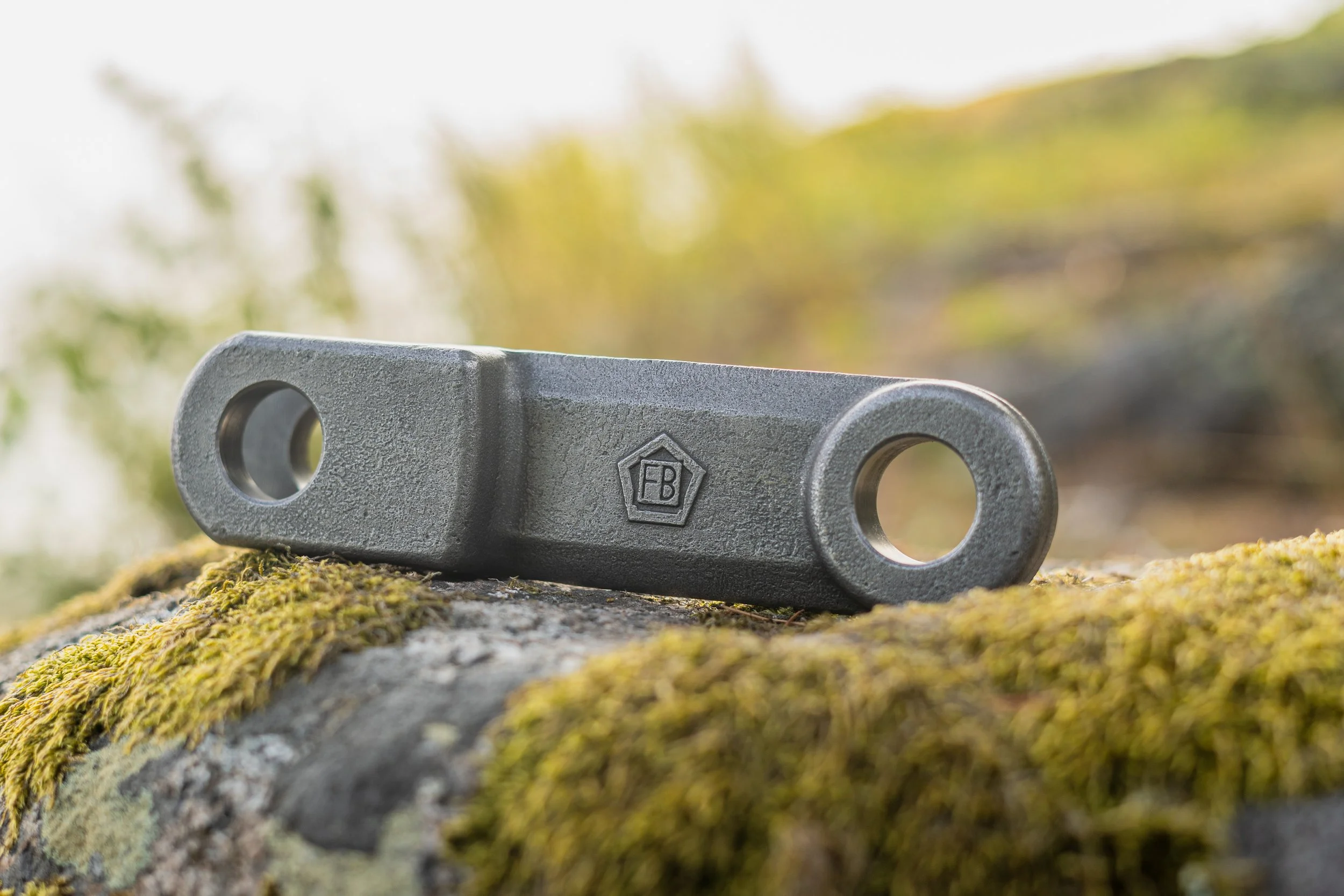
At FB Ketju, sustainability and sustainable development are not side issues but an essential part of everyday operations. According to Chief Financial Officer and management team member Johanna Alho, the emission calculations carried out by Joonas Huhtanen for his master’s thesis have provided valuable insights for daily decision-making.
“Now we know where our emissions are truly generated. We can see the so-called pain points and target our actions where the impact is greatest. In other words, we are managing sustainability measures based on real data,” Alho summarizes.
“We want to do our part to ensure that together we can secure a clean and sustainable future for generations to come.”
The relocation from Köyliö to Lappi, Rauma, between 2019 and 2021 took sustainability efforts to a new level. Oil heating was replaced by district heating, and in November 2023 the office and production facility lighting was upgraded to LED. In production, the lighting is sensor-controlled, which improves energy efficiency.
“We use local district heating and carbon dioxide–free electricity. Sustainability is also a consideration in machine renewals. We recycle everything carefully and have reduced water consumption in production.”
A Future-Oriented Approach to Safeguard the Future
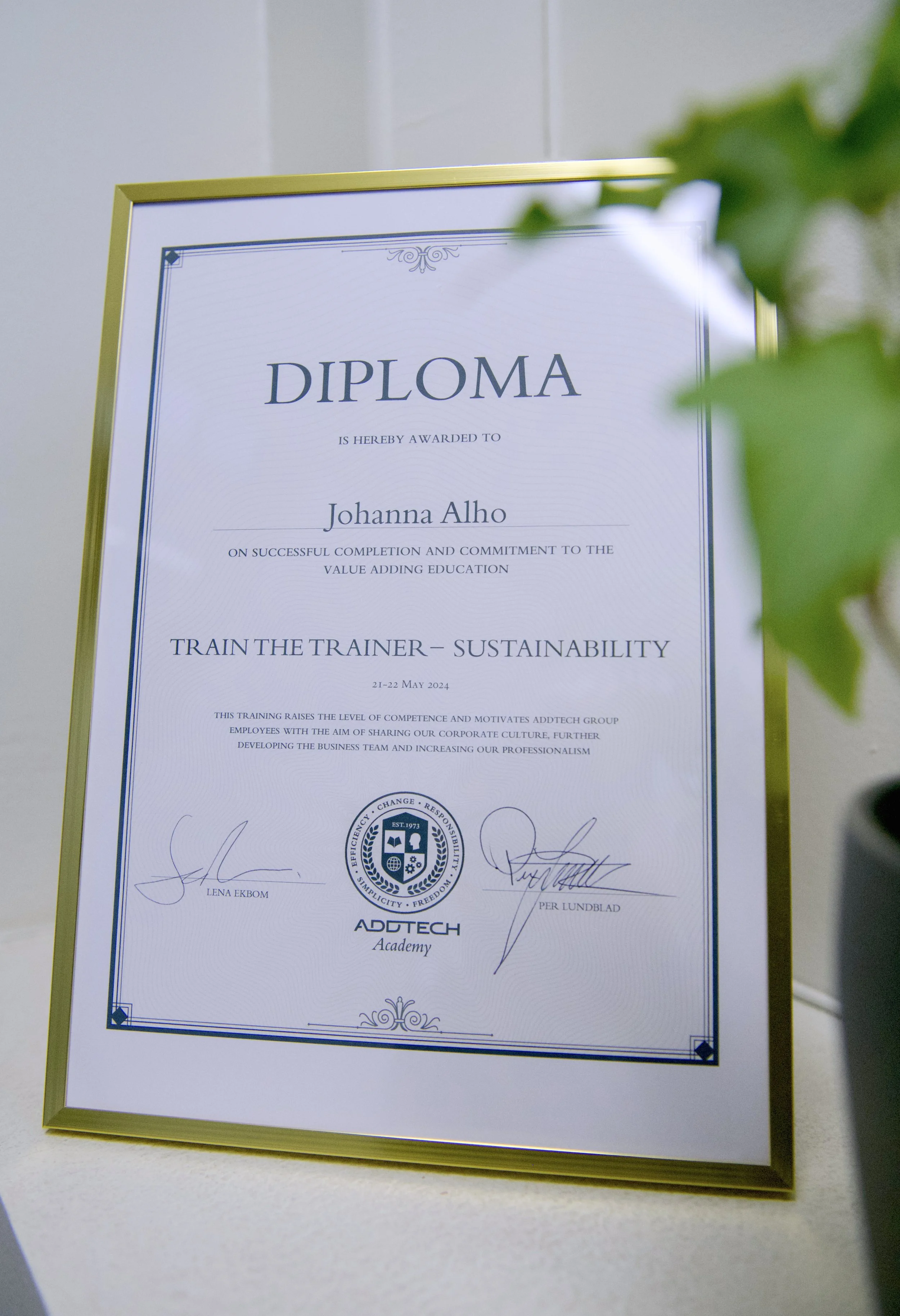
Addtech has set its own sustainability targets, which also guide FB Ketju’s operations. Customers are likewise demanding more, and the company wants to meet these expectations.
Results are regularly reported to the group, including data on energy consumption, transport, waste, raw materials, and water use. Alho has completed the group’s sustainability training and, together with Finnchain Oy, trained the company’s staff based on that knowledge.
“It is clear that raw materials account for a significant share of total emissions. Our ERP production control system includes a sustainability module. When we receive emission data on raw materials from our suppliers, we can enter it into the system. The goal is to eventually gain visibility of the total emissions of our chains,” Alho explains.
Concrete improvements are constantly being made. The company’s travel policy supports low-emission solutions, and six electric car charging points have been installed at the Lappi plant’s parking area. Freight emissions are reduced by prioritizing local suppliers wherever possible.
“FB Ketju’s sustainability is not based on one-off projects but on long-term commitment. By measuring and monitoring our impacts, we aim to make our operations more sustainable, both in terms of production and the environment.”